Red Bull’s Daily Parts Orders Forced Ford to Raise Its Own Game
Ford went into Formula 1 to lend Red Bull its battery know-how, and it has come out with tighter manufacturing standards than it started with.
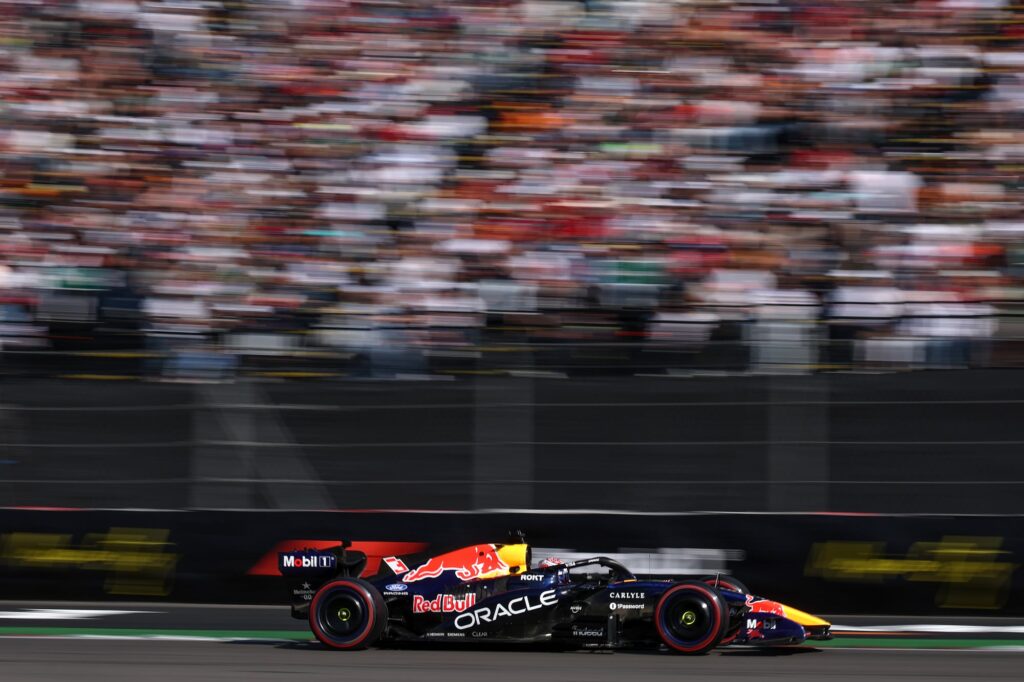
Ford went into Formula 1 to lend Red Bull its battery know-how, and it has come out with tighter manufacturing standards than it started with.
The part of the deal that neither company saw coming was the factory work. Ford’s 3D printing shops ended up turning out engine and hybrid components for the team every day, to tolerances and deadlines that the head of Ford Racing says his own people had to be pushed to meet.
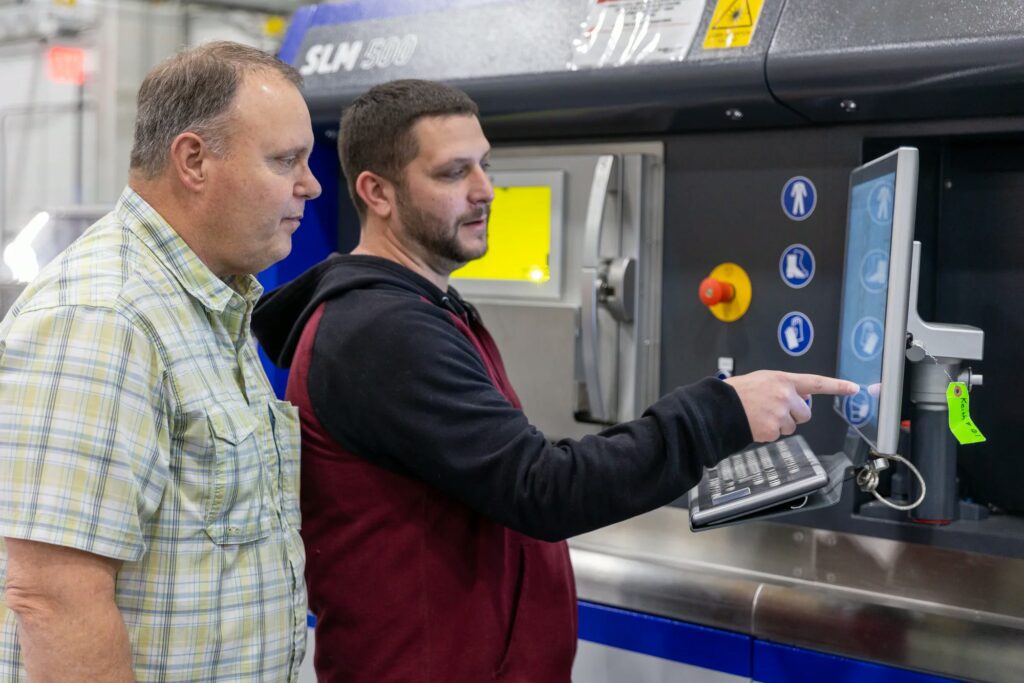
Mark Rushbrook, the global director of Ford Racing, described that surprise in an interview with The Race published on November 18. "What we didn’t expect from that initial discussion four years ago was everything that we’ve been able to do with advanced manufacturing or additive manufacturing," he said, adding that Ford’s first answer to Red Bull’s requests had been a casual offer to make whatever was needed.
The pace changed that. Rushbrook said the parts "were literally being made daily and shipped daily," and that the precision Red Bull demanded was a second shock on top of the volume. "So it forced us to up our game in terms of what work we’re able to do, in terms of the materials that we use, the machinery that we use, and then the dimensional control for it," he said. "And that was a lot of hard discussions in the early days to really raise that level."
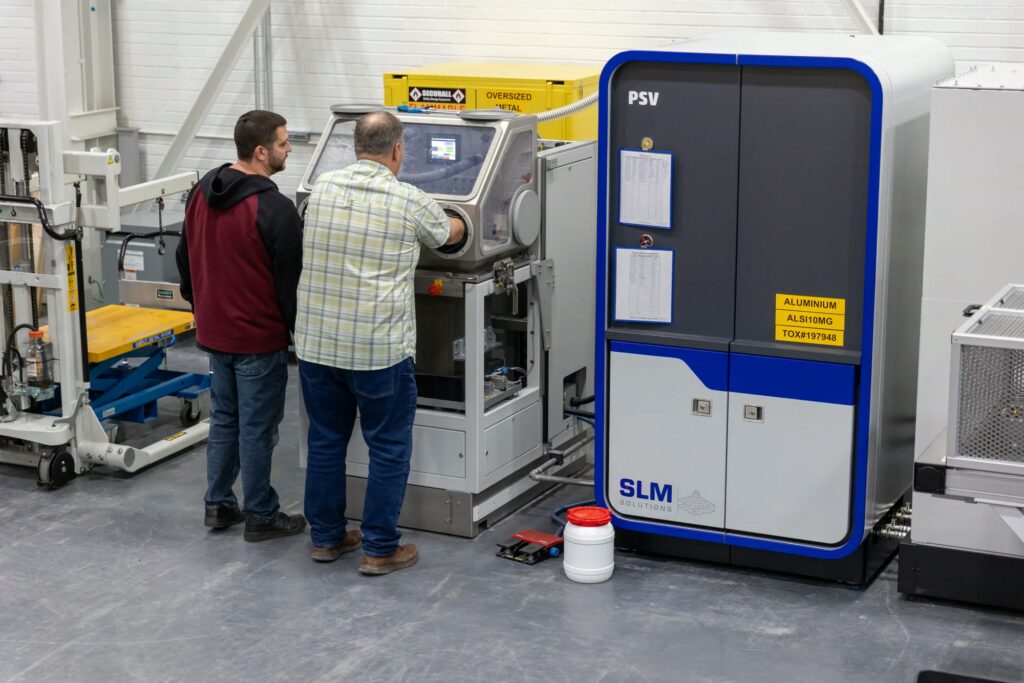
Ford put a number on that output early last year. In a February 2025 article on its own newsroom, Christian Hertrich, a powertrain manager in its motorsport group, put the running total near 1,000 pieces a full year ahead of the engine’s first race. He was plain about what kind of work that was. "It’s not things like nuts and bolts and easy stuff," Hertrich said. "These are complex metal and polymer parts that get tested to extremes so they can withstand races that average 200 miles an hour."
That article named cold plates for the hybrid battery among the printed pieces and laid out the checks each one goes through. The people who print a component check how strong and how hard it is and scan its shape, a separate inspection group then puts it through X-ray and CT machines, and the last stop is the measurement lab inside the Product Development Center.
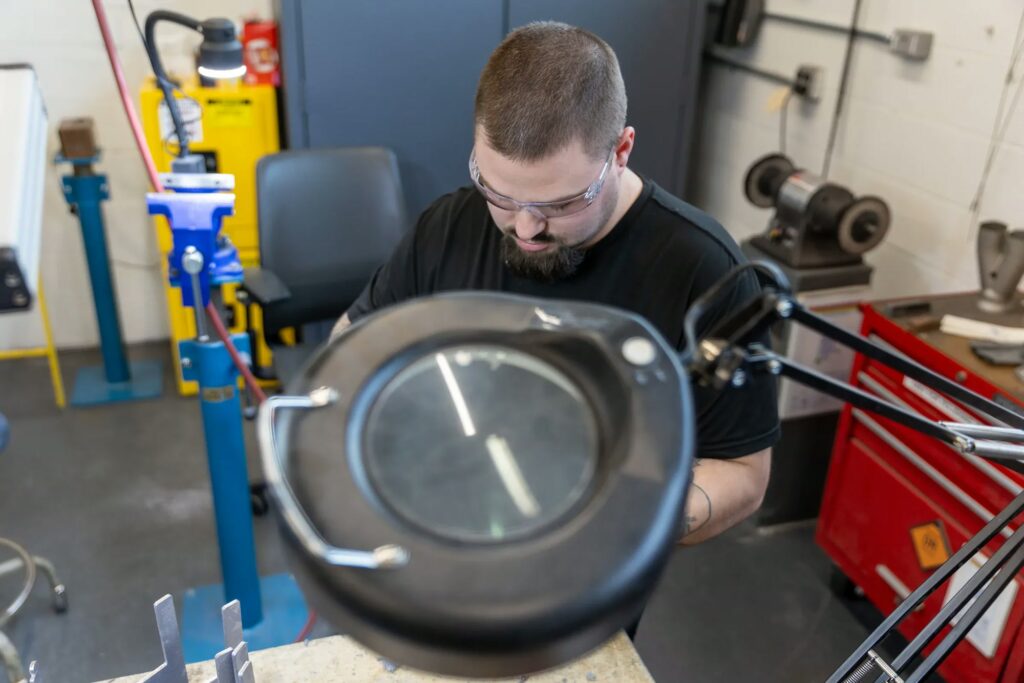
For anyone who buys a Ford in the US, the scanning is where the racing program has already paid off. Ford said the same inspection team turned its equipment on the F-150 and needed one day to find glue overflowing inside the truck’s headlamps, a fault that had been letting condensation in and running up repair bills, and that ordinary inspection had missed for months. The company said it planned to carry those checks over to other models.
The manufacturing work sits beside the help Ford expected to give. Rushbrook told The Race that the partnership started with battery cell chemistry and the electric side of the power unit and then grew into software controls and calibration. Early on, with its Milton Keynes engine shop unfinished, Red Bull had no rig on which to run its turbocharger. Ford did, and Rushbrook recalled answering "Well, we have one of those," before crediting "the resources that we have from 123 years of being a car company." Ford also keeps a group of its own engineers working inside the Red Bull facility.
Phil Prew, the engineering director of Red Bull Ford Powertrains, said the call he values most is the one to Ford when his team is stuck. "And within half an hour, we’re talking to world-renowned experts in very specific projects," he said. Prew also said the engine "truly wouldn’t have been possible without" Ford.
Talks opened in September 2022 with a visit by Rushbrook to Milton Keynes, where the team showed him its first completed engine, and the partnership was made public in February 2023. According to The Race, the FIA has since ranked the combustion half of that power unit above every rival maker’s, the engine had three race wins to its name when the interview ran, and the agreement lasts through 2030 at the least.
Rushbrook drew a line between this program and the ones Ford uses to sell trucks. Formula 1 is not there to move cars or parts the way the Raptor’s desert racing is, he said, but "we’re learning about the advanced electrification in this case, and it’s making our processes better, it’s making our people better."
The Ford Insider Take
The easy criticism of Ford’s return to Formula 1 was that it had bought a sticker on someone else’s engine, and Ford has never claimed to have designed this one. What these accounts describe is more useful than a design credit. A carmaker with more than a century of habits was told by a much smaller racing outfit that its printed parts were not good enough or fast enough, and it changed how it works.
That matters outside the paddock because the F-150 headlamp story is the only kind of return on a racing budget that an owner ever feels. If the inspection methods built for racing engine parts keep catching faults like that one before trucks leave the plant, the program will have earned its keep whether or not Red Bull wins a title with it.
Related
Only Three Companies Are Owed a Bigger Tariff Refund Than Ford
Ford has $1.3 billion coming back from Washington for tariffs the Supreme Court threw out, and among America's public companies only FedEx, Walmart and Apple have reported a…

The 2027 Bronco Sport Loses Its Free Gray and Gains a Green
Ford has replaced three of the Bronco Sport's nine paint colors for 2027, and the gray that used to cost nothing extra is one of the three that…
Ford Taught Oakville the Super Duty by Tearing Kentucky Trucks Apart
Ford's Oakville launch team learned the Super Duty by stripping finished trucks from Kentucky down to their parts, and it began the job in January with only 12…