Ford Wants EV Chargers to Check Their Own Plugs for Rot
A newly granted Ford patent turns an electric-vehicle charger's holster into an inspection booth, with a light and two small cameras that study the face of the plug each time a driver hangs it back up after a charge.
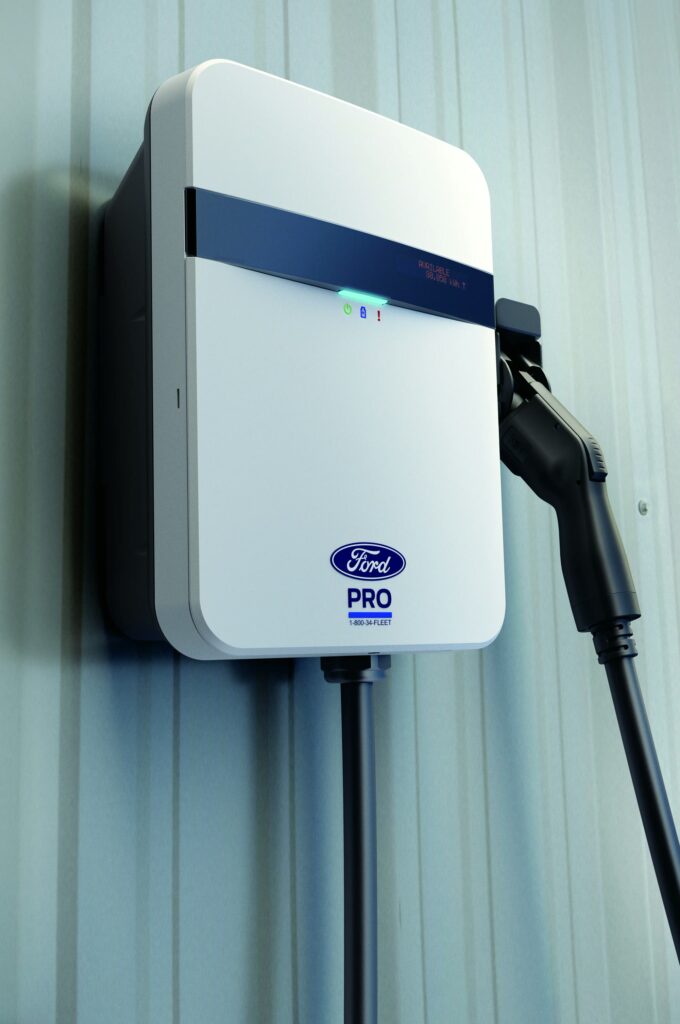
A newly granted Ford patent turns an electric-vehicle charger’s holster into an inspection booth, with a light and two small cameras that study the face of the plug each time a driver hangs it back up after a charge.
One camera reads infrared, so the charger can work out how hot the plug’s housing and individual pins ran during the session. The other is an ordinary color camera that looks for corrosion, worn surfaces and bent or misshapen contacts. Both sets of pictures go to a remote server, which compares them with reference images of plugs in good and bad condition. If a pin is running too hot or the comparison turns up damage, the system marks the plug as not working at full capacity, sends a service request to a technician, or even to a repair robot, and can turn down the charger’s output until the fix is done.
The patent, number 12,802,210.pn.&type=ids), was granted to Ford Global Technologies on November 17, 2026, from an application filed on July 17, 2024. It lists five inventors led by Stuart Salter of White Lake, Michigan, and carries 20 claims on five sheets of drawings. Ford Authority reported the grant this week.
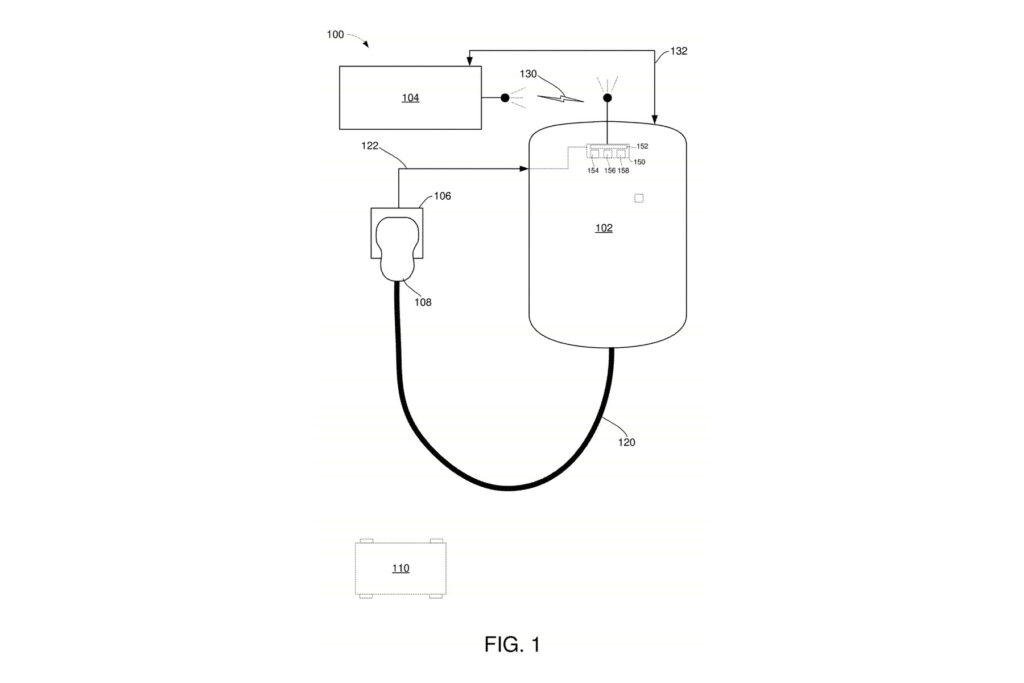
The problem Ford describes is a familiar one for anyone who has pulled up to a public charger. Plugs live outside in rain, snow, ice and sun, and over time their contacts corrode. Corrosion adds resistance, which makes charging less efficient and heats up the plug, and rough handling by users can damage it further. A charger that keeps running on a degraded plug can harm itself, but one that shuts down entirely is useless to the next driver, so the patent aims for something in between.
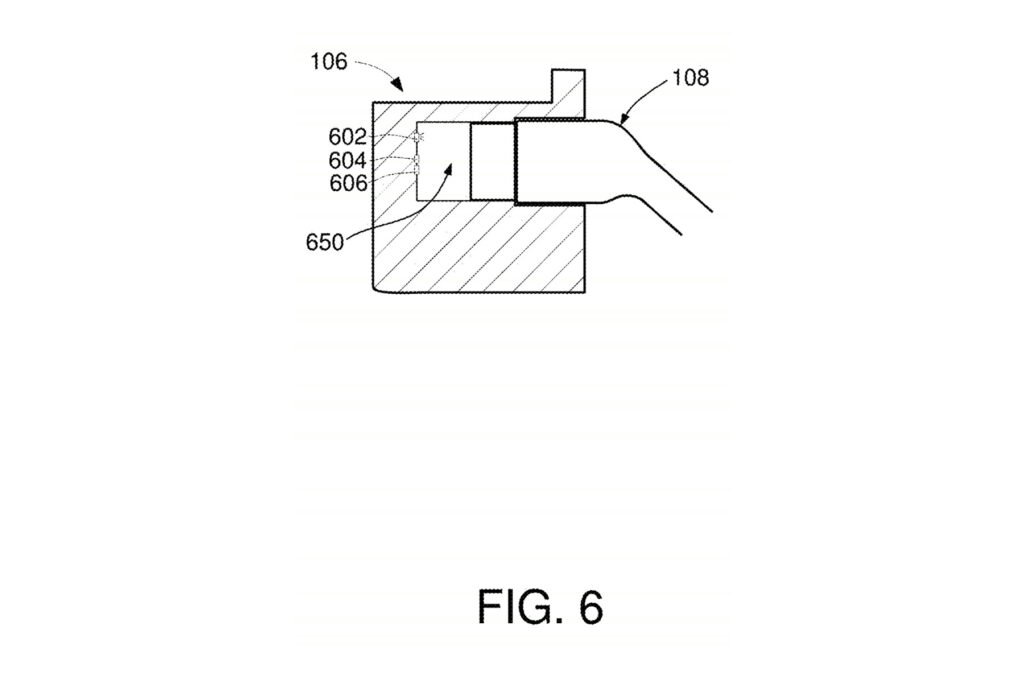
The plug Ford draws in its example is an SAE J3068 connector, with three AC phase pins, a neutral, a protective earth and two signal pins, set up to pass three-phase 480-volt AC power from the charger to the vehicle. The filing says other plug types are anticipated, and its own example of turning the power down describes a charger rated at 11.5 kilowatts being held to 5 kilowatts. Ford also suggests that the reference pictures could be chosen by machine learning drawing on data gathered from other vehicles and chargers.
In a statement to Ford Authority, Ford said patent filings protect new ideas and "should not be viewed as an indication of our business or product plans."
The Ford Insider Take
A charger can report its own software faults over the network, but a corroded or scorched pin is something only a person standing in front of it would notice, and a camera in the holster is a cheap way to catch it before the next driver does. The heavy three-phase plug in the example suggests Ford has fleet depots in mind first, where a dead charger means a van that does not go out in the morning, and that is exactly the customer most willing to pay for a charger that books its own repairs.
Related
Ford Stock Falls 6.2% for the Week Ending November 20
Ford Motor Company's U.S.-listed shares closed at $11.17 on Friday, November 20, down 6.2% for the week.

Ford Takes New Jersey to Court Over What It Pays Dealers for Recall Work
Ford and three other automakers want a federal judge to throw out a New Jersey law that lets dealers bill carmakers retail prices for warranty and recall repairs.

Ottawa and Ontario Put Over C$750 Million Behind Ford’s Super Duty Plant
Canada's federal government is putting about C$464 million into Ford's rebuilt Oakville Assembly Complex, the Ontario plant that has just started shipping Super Duty pickups, and the province…