Ford’s New Cup Mustang Gets 80 More Horsepower Before Summer
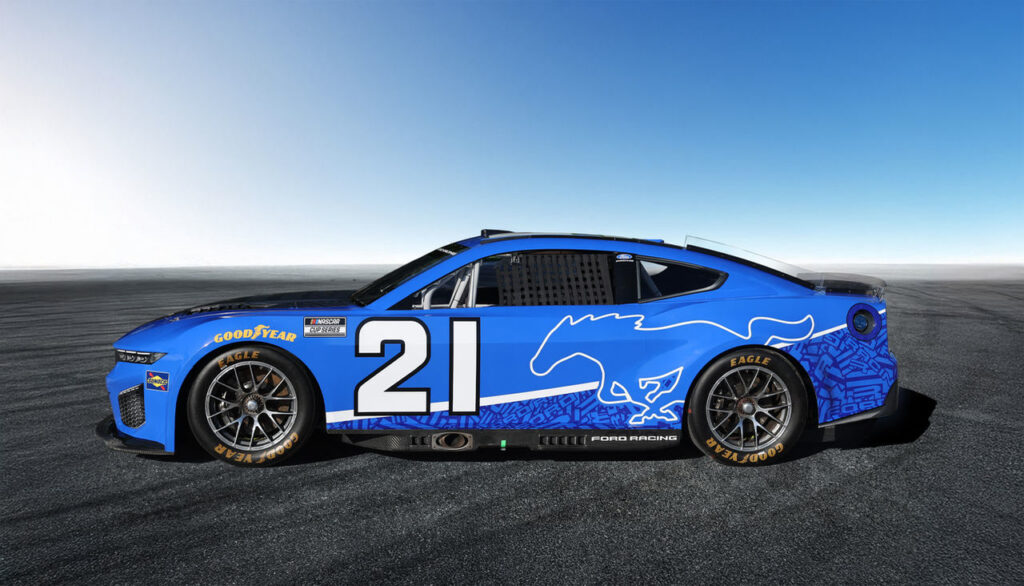
Ford's new NASCAR Cup Series Mustang will race with 750 horsepower at intermediate tracks from late May, 80 more than cars had there this season.
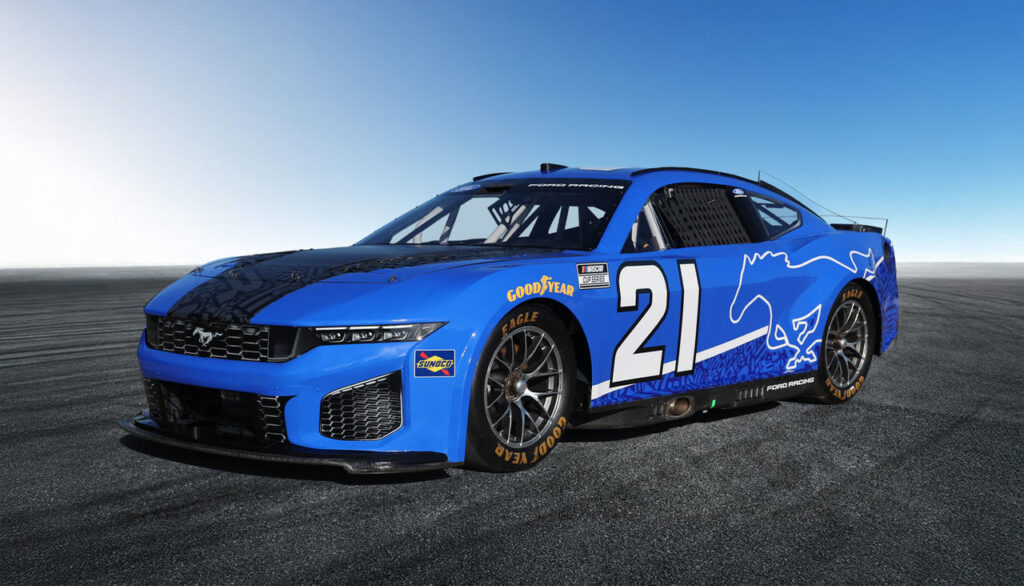
Ford’s new NASCAR Cup Series Mustang will race with 750 horsepower at intermediate tracks from late May, 80 more than cars had there this season.
The move from 670 horsepower begins with the Coca-Cola 600 at Charlotte Motor Speedway on May 30, and an 800-horsepower package gets a trial earlier that month at the All-Star Race. Every manufacturer in the series gets the same increase, so Ford’s teams gain no edge from it, but the change lands in the first season of a redesigned Mustang and after one of its drivers was among those asking for more power.
NASCAR set out the changes in a rules update published Nov. 20. This is the second year in a row that officials have raised engine output at selected venues. Short ovals and road courses moved to 750 horsepower during 2026, and the new step brings the 1.5-mile tracks into line with them, using the same tapered spacer to regulate the engines at both kinds of circuit.
"As always, we listen to our fans a lot," said John Probst, who runs NASCAR Event Management as its president. "We get input from all the stakeholders in our sport, and it’s probably one of the clearest messages that we get from all those directions is to add horsepower."
The May start date was settled with the carmakers, the race teams and the companies that build their engines, he said, and it leaves them several months to prepare.
An 800-Horsepower Audition
The All-Star Race pays no championship points, which is why NASCAR uses it to try things. It returns in 2027 to North Wilkesboro Speedway, a 0.625-mile oval, where cars will run an 800-horsepower engine with a low-downforce aerodynamic package whose details are still being settled. A successful trial could see the same setup used again in August, when the series runs its night race at Bristol Motor Speedway, according to Probst.
Ford driver Ryan Blaney of Team Penske made his view known last August after winning the first New Hampshire race run at 750 horsepower. "That’s how you get comers and goers, people who pass, who can haul on starts, have that pace," Blaney said. "Hopefully they keep working in the right direction."
What Else Changes
Superspeedway engines stay largely as they are at Daytona, Talladega and EchoPark Speedway, where target output was cut from 510 to 465 horsepower midway through last season. Qualifying is the exception at the two largest of them, Daytona and Talladega, where Probst expects cars to get between 510 and 530 horsepower and a spoiler only two inches tall so that pole laps top 200 mph.
Cup cars will also run without the underbody pieces known as splitter stuffers at every track, and full-time teams must use sealed engines in 20 points races, up from 17. The same update wrote Dodge into the rule book as a Cup Series manufacturer for 2027, which makes four manufacturers with Ford, Chevrolet and Toyota. Ford Authority reported the changes on Saturday.
The Ford Insider Take
More power is the rare rules change that drivers, fans and manufacturers all wanted, and it is hard to argue with the direction. A stock car that asks more of the driver’s right foot and wears its tires faster produces passing, and passing is what the intermediate tracks have lacked.
For Ford the timing is a mixed gift. Its teams will spend the winter learning a new body and then relearn their engine and tire strategy in May, in the middle of a season. The teams that adapt quickest to two moving targets will look clever by the summer, and Ford has to hope its new Mustang is forgiving enough to make that easy.
More on the Mustang
Related
Mustang Sales Nearly Halved in Australia, and Ford Is Shrugging
Australian Mustang sales are down 48.8 percent this year, from 3,702 to 1,895 through October, and Ford says it is not worried.
Triple Eight Asked GM for a Road Car and Ended Up With a Mustang
Australia's most successful Supercars team wanted to build street cars with General Motors, and being turned away helped send it to Ford and the Mustang.
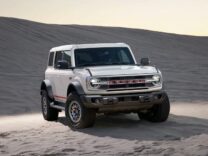
Only 60 Buyers in Mexico Will Get This Bronco
Ford de Mexico has launched a Bronco 60 Aniversario limited to 60 units, the headline act among three special editions it showed at its first Ready Set Ford…