The Battery Plant Washington Questioned Is Now Shipping Cells
Ford's battery plant in Marshall, Michigan, is now shipping its first lithium iron phosphate cells, and they are headed to Kentucky to power prototypes of the Fathom electric pickup.
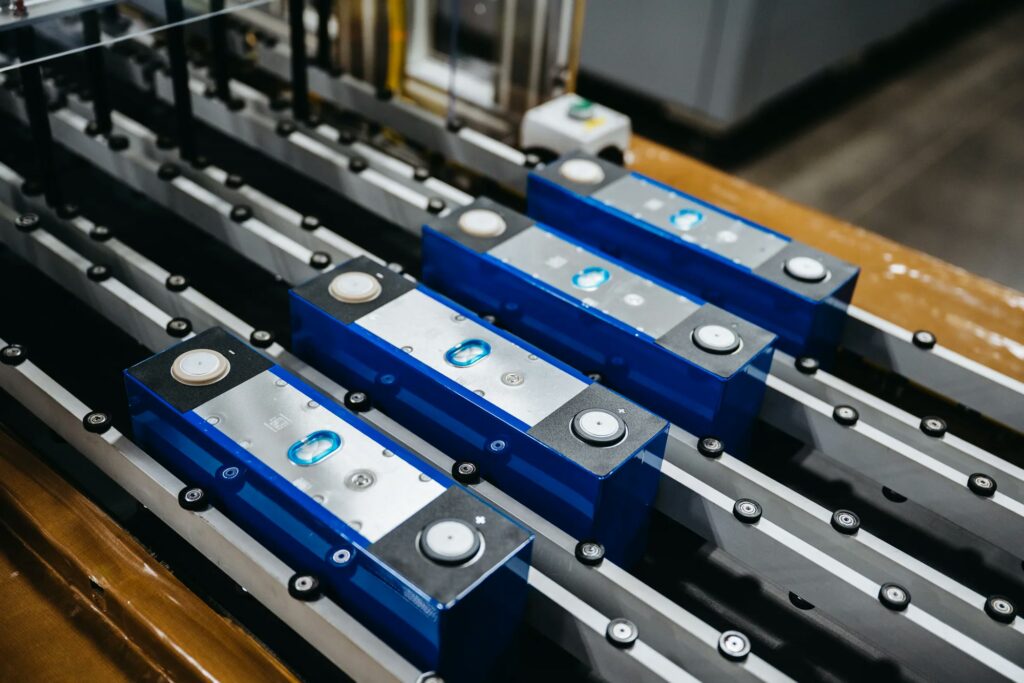
Ford’s battery plant in Marshall, Michigan, is now shipping its first lithium iron phosphate cells, and they are headed to Kentucky to power prototypes of the Fathom electric pickup.
Cell production began in October, and Ford plans to launch the Fathom, its midsize electric truck, in the fourth quarter of 2027.
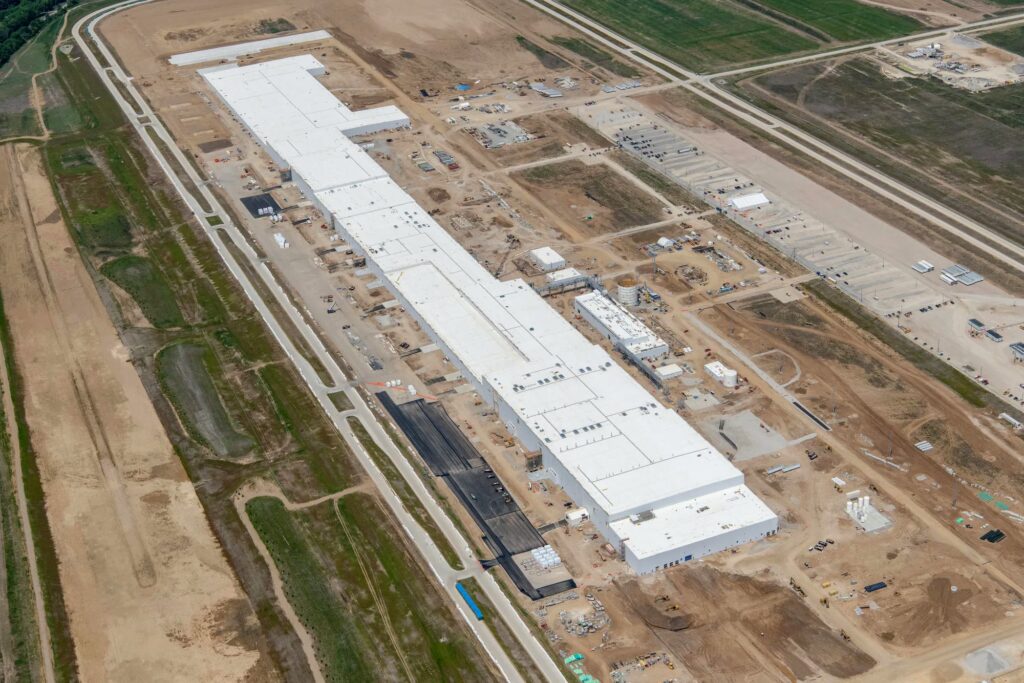
The $3 billion plant, which sits about 100 miles west of Detroit and covers roughly 2 million square feet, is owned by Ford but builds its cells with technology licensed from the Chinese battery maker CATL. That arrangement has made it one of the most politically watched factories in the American auto industry, and the first shipments arrive while the questions about it are still open.
The plant is designed to turn out 40 cells a minute, which works out to 20 gigawatt-hours a year for electric vehicles and for Ford’s energy storage business, CNBC reported. That is half of the up to 40 gigawatt-hours Ford first planned before it and the rest of the industry pulled back on electric vehicles. Ford told CNBC the highly automated plant is still early in certifying its processes, that it plans to ramp up cell production next year, and that it has room to add capacity if it needs to.
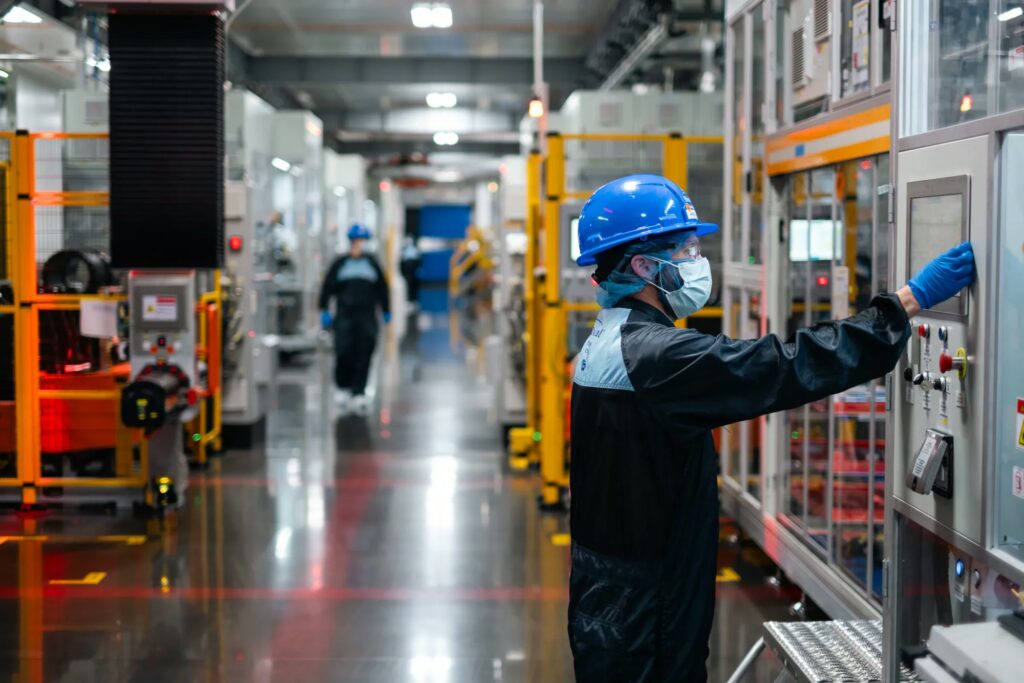
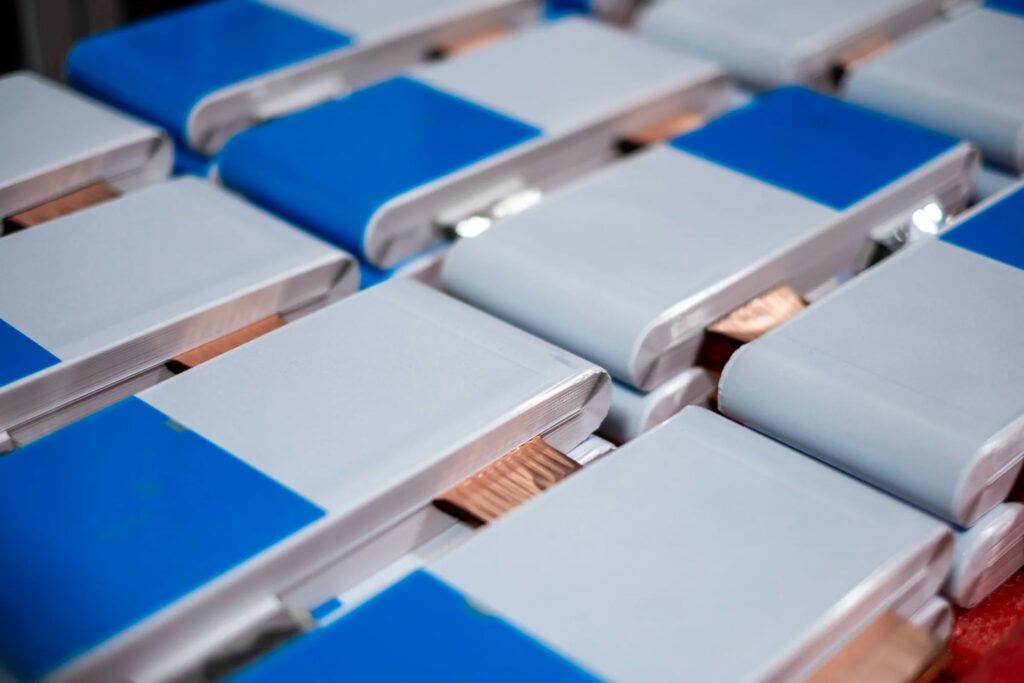
The first cells are going to Ford’s Louisville Assembly Plant, where they will power Fathom prototypes, the first vehicles built on Ford’s Universal Electric Vehicle platform, according to Electrek. Ford chose a prismatic cell because it fits directly into the chassis and cuts structural cost, and the company says it will be the first in the US to deliver LFP batteries for mainstream automotive use. LFP chemistry uses no nickel or cobalt, which helps hold down cost. Workers on the Marshall line use AI-powered image recognition to spot defects as they happen, and Ford put its target this way: "Our goal is to make defective cells so rare that we track their frequency per billion cells rather than per million."
Ford also plans to have the Michigan battery pack plant running in 2027, which it describes as ahead of schedule, and it will carry what it learns at Marshall into its cheaper electric vehicles and into Ford Energy, its new battery energy storage business in Kentucky. The Fathom itself starts at $28,350 for the standard-range model, and Ford has not yet revealed its battery size or range.
Alan Clarke, Ford’s vice president of advanced development projects, who leads the Universal Electric Vehicle program, said licensing from CATL let Ford move quickly. "We need to also do it the fastest way possible," he told CNBC, adding that "CATL being the biggest in the world means that they’re the best supplier."
Not everyone in Washington agrees. Transportation Secretary Sean Duffy wrote to Ford CEO Jim Farley in September that his agency was "deeply alarmed" by the arrangement, Reuters reported, and Ford answered that the letter was a "wrongheaded attempt to capture headlines," pointing out that it is building batteries in the US while other automakers still import theirs from China. CNBC noted that the White House commended Ford for its domestic jobs and manufacturing the day after the letter. A Ford spokesperson told Reuters the company still expects to qualify for the federal battery manufacturing tax credit.
For US buyers, the shipments are the first hard sign that the parts for Ford’s under-$30,000 pickup are being made in Michigan and that the truck is on track for Louisville. The plant’s output also feeds Ford’s energy storage business, so its cells are not tied only to how fast electric pickups sell.
The Ford Insider Take
Ford has bet its affordable electric truck on a cell it builds itself with a Chinese partner’s know-how, and the first shipments make that bet real rather than theoretical. Halving the plant’s capacity was the sensible hedge, and sending some of the output to energy storage gives Marshall a second customer if the Fathom starts slowly.
The political risk is the part Ford cannot engineer away. The tax credit and Washington’s view of CATL licensing will matter as much to what the Fathom costs as anything on the line in Marshall, and Ford is right to keep pointing out that a cell made in Michigan beats one shipped from China.
Related
Ford Wants Your Car to Flash a Warning When the Weather Blinds It
A newly published Ford patent application describes a car that uses its exterior lamps to warn other drivers when bad weather has left its own lights or sensors…
Ford Made the Big-Battery Mach-E the Cheap One
Every 2027 Ford Mustang Mach-E now comes with the extended-range battery, and the cheapest version, a Select with rear-wheel drive, starts at $39,995 before a $2,045 destination charge.
Ford F-150 Deals for November 2026: Leases From $499 a Month
Ford is offering the 2026 Ford F-150 STX on a lease from $499 a month and financing from 0% for 60 months on the 2026 Ford F-150 this…